My Moviegoer Perspective on Movies That Never Needed Sequels or Prequels (But Got Them, Anyway) - Part III
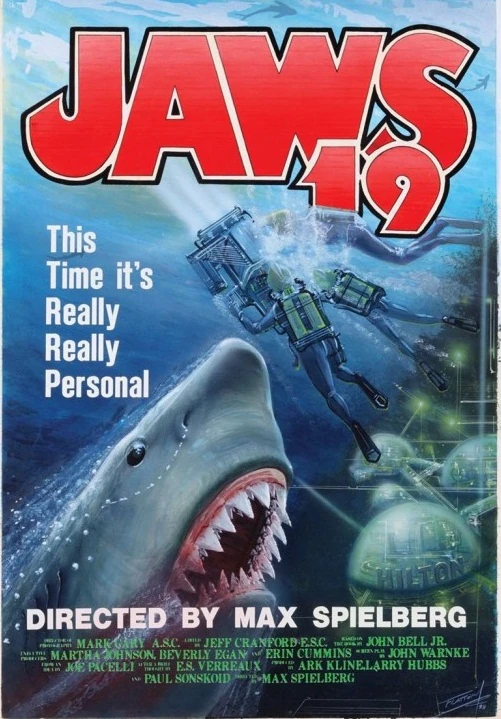
Eighteen fictional sequels aren't that far off from reality...
"Most sequels don't execute well." - Donnie Wahlberg
Surprise! At long last, we're finally back with a new batch of unnecessary sequels and prequels! While I enjoy some of these, I still feel the originals never needed them. This entry's been in the pipeline for quite awhile, so let's go!
Star Wars Trilogy, 1977-1983
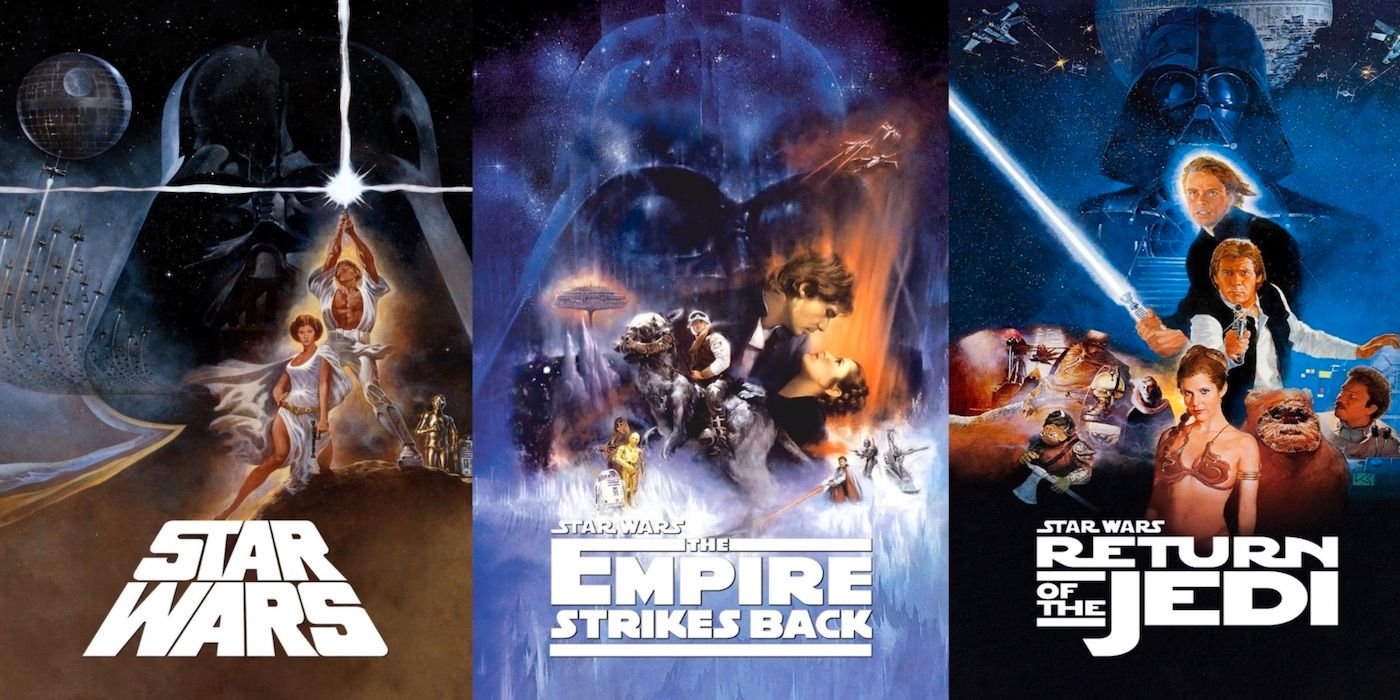
Ah, Star Wars, George Lucas' seminal space opera chronicling Luke Skywalker's journey from farm boy to Jedi Knight as well as the Rebel Alliance's struggle to free the Galaxy from the tyranny of the Galactic Empire. This three-part saga has captivated generations of moviegoers and left such an indelible mark on pop culture that even those who've never seen it will recognize its opening crawl, musical score, lightsaber duels, references to the Force, Princess Leia's metal bikini, and revelation that Darth Vader is Luke Skywalker's father. It's campy sci-fi goodness with aspects of the samurai, Western, and fantasy genres mixed in for good measure. Plus, many of the practical effects still hold up remarkably well, even to this day.
Now, the prequel trilogy...
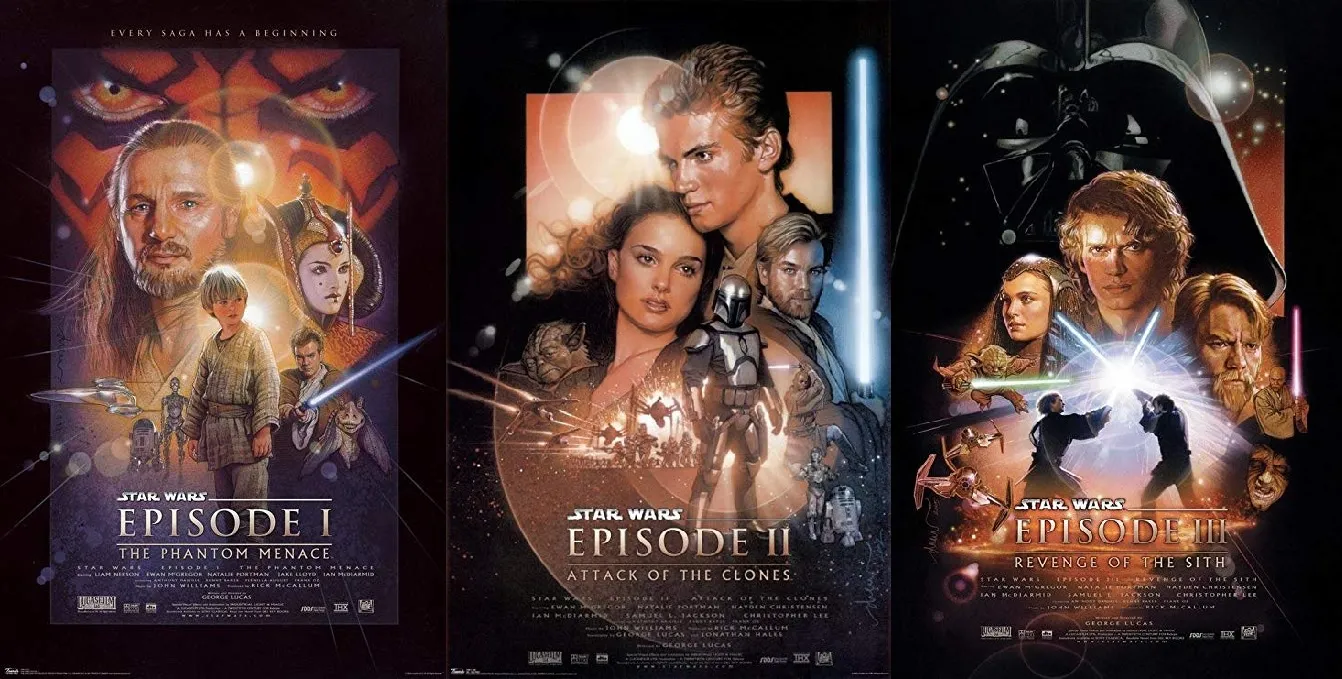
Sixteen years later, Lucas revisited his galaxy far, far away to tell the tragic tale of Anakin Skywalker's terrifying transformation into Darth Vader. Unfortunately, this much maligned and ridiculed prequel trilogy remains notorious for its introduction of Jar Jar Binks, perceived childishness, cheesy dialogue, and over-reliance on CGI. As is often the case with prequels, there are notable contradictions to the original narrative that prevents the two trilogies from blending seamlessly together, such as Ben Kenobi's failure to recognize the Droids he shared numerous adventures with or remember that he trained under Qui-Gon Jinn, not Master Yoda. Having said that, the political aspects concerning the villainous Palpatine's rise from politician to tyrant remain highly relevant in today's volatile world.
Now, the sequel trilogy...
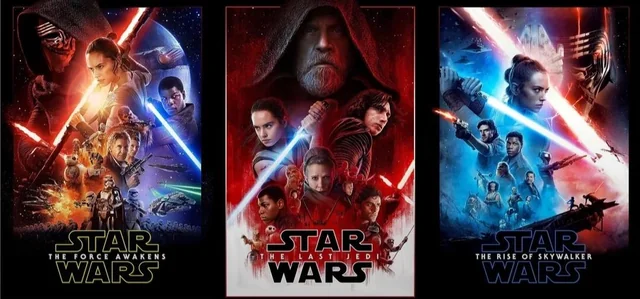
Ten years after that, Disney strapped Star Wars up to one of their milking machines and sucked out a sequel trilogy in which a scavenger named Rey begins her own journey to become a Jedi Knight, while a revived Rebel Alliance takes on a resurrected Galactic Empire. With Lucas officially out of the picture and his Expanded Universe now disbanded, Disney handed the writing and directorial reigns to J. J. Abrams and Rian Johnson. Unfortunately, the pair had vastly different visions for the overarching storyline, with the former staying too close to the source material and the latter straying too far from it. The result? An ungodly mess of contradictory storytelling lacking any semblance of continuity between installments, such as the flip-flopping over Rey's mysterious past or whether the evil Snoke truly was calling the shots. It's as though Abrams and Johnson simply chose to "wing it" each time, rather than crafting an outline or treatment for their "trilogy" beforehand. Also, what was the point of devolving Luke from a heroic optimist into a cowardly pessimist?
Jurassic Park, 1993
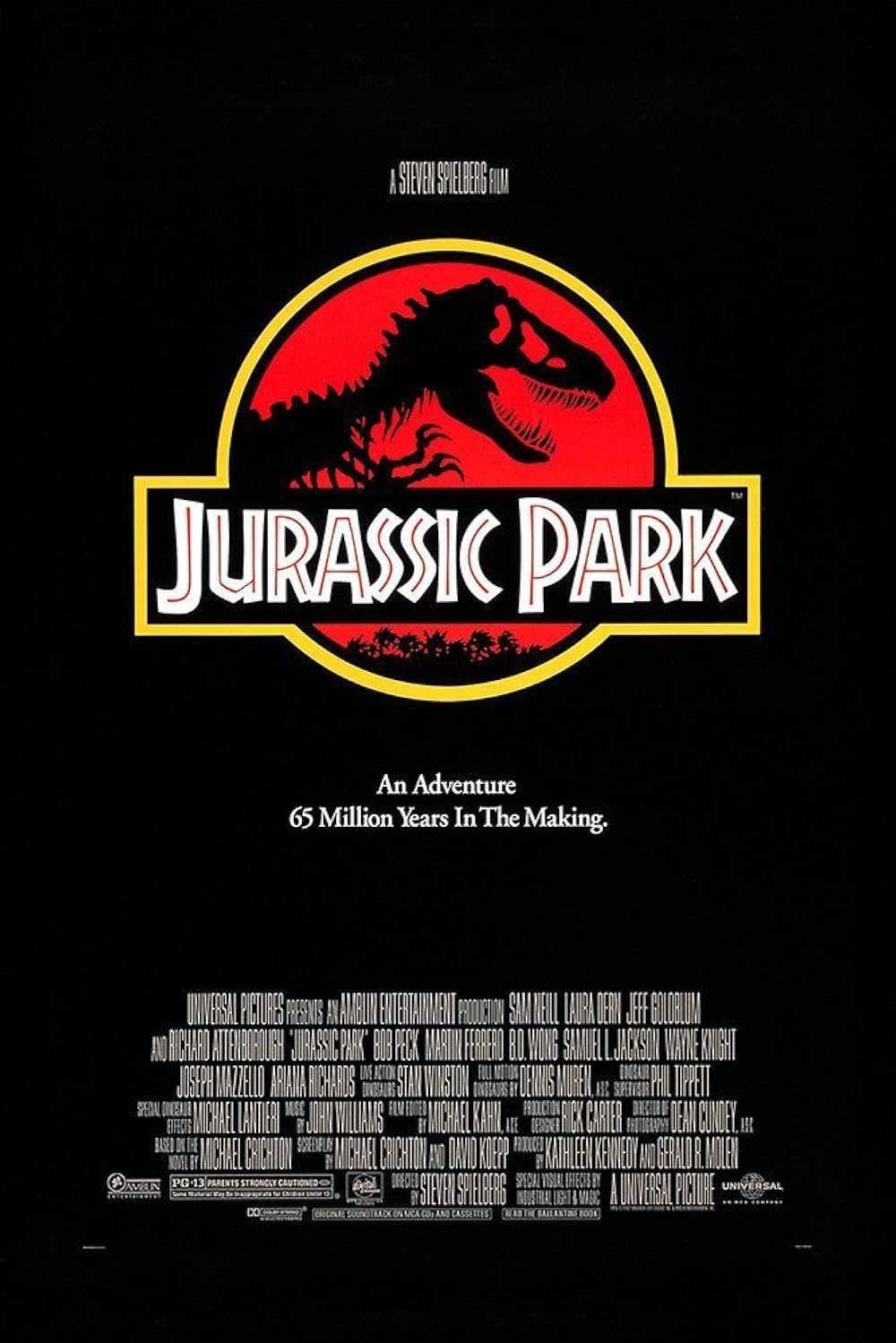
Steven Spielberg's cinematic adaptation of Michael Crichton's cautionary tale about the dangers of playing God, Jurassic Park is the Coles Notes on everything that could possibly go wrong when attempting to resurrect dinosaurs as theme park attractions. Despite billionaire businessman, John Hammond, "sparing no expense," in this endeavor, he's unable to control nature, neither animal nor human. His state-of-the-art security system is deactivated by a disgruntled employee during a failed act of corporate espionage, allowing the dinosaurs to escape their enclosures. His scientists' assertion that all the dinosaurs are female is proven false when they begin breeding on their own, as accurately predicted by mathematician and sole voice-of-reason, Dr. Ian Malcolm. As a result of Hammond's recklessness and hubris, several people are either injured or killed by the prehistoric predators. In the end, Dr. Malcolm is proven right, and the park is ultimately condemned, presumably leading Hammond to financial ruin. What more needs to be said?
Now, the sequels...
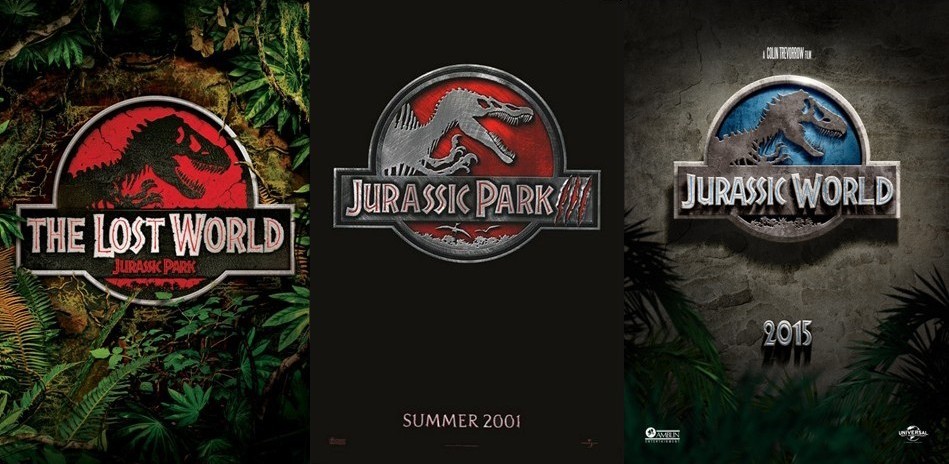
How about a reformed Hammond recruiting Dr. Malcolm to defend the dinosaurs living at a top-secret wildlife sanctuary from further exploitation by man, followed by a "wealthy" couple hiring paleontologist and fellow theme park survivor, Dr. Alan Grant, to rescue their teenaged son from said wildlife sanctuary? Considering the PTSD they both would've surely suffered from their shared ordeal, I highly doubt Dr. Malcolm or Dr. Grant would ever set foot near another dinosaur again, even for love or money, as depicted. Then, there's the erection of a new dinosaur theme park on the site of the doomed original, in yet another failed attempt at playing God. Given the combined death toll and carnage depicted in the first three films, how would the construction and opening of a second dinosaur theme park ever be given the green light? Also, why did Universal feel the need to rebrand Jurassic Park as, "Jurassic World"?
The Fly, 1986
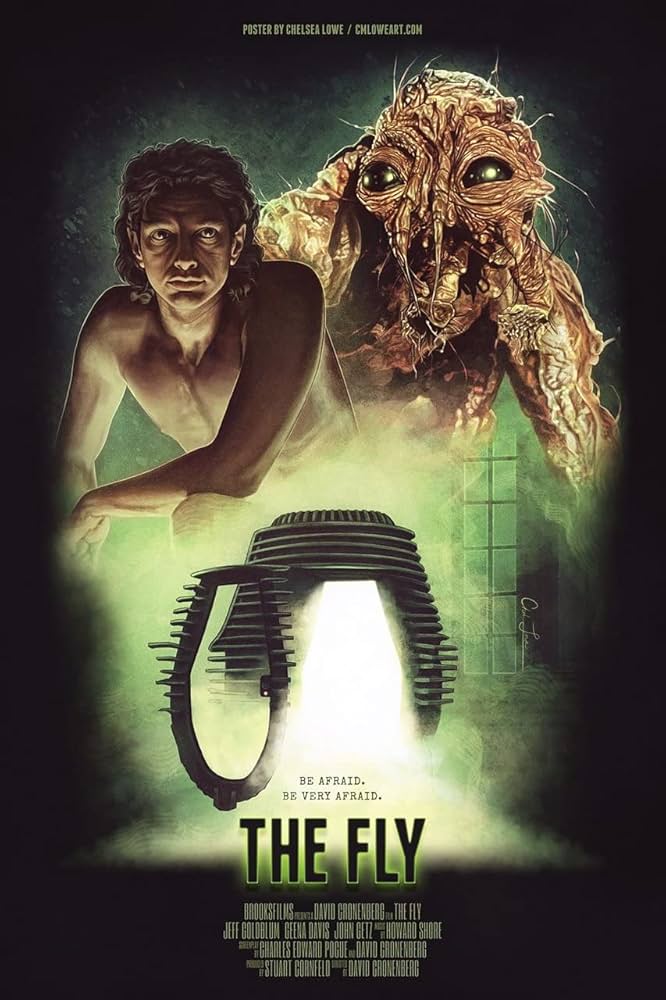
A remake of the 1950s sci-fi horror classic of the same name, David Cronenberg's The Fly chronicles the tragic tale of brilliant Toronto scientist, Dr. Seth Brundle, who's on the verge of revolutionizing the travel industry via a teleportation device. Unfortunately, things take a turn for the worst when Dr. Brundle decides to test the invention on himself, failing to notice the titular fly tagging along for the ride. Now, Dr. Brundle and the fly are fused together, leading them into a slow and horrific transformation into the, "Brundlefly." Once the transformation is complete, Brundlefly begs his pregnant girlfriend, reporter, Veronica Quaife, to put him out of his misery with a shotgun blast to the head, a request she reluctantly and tearfully obliges, ending his immense suffering. The ultimate fate of their unborn child, conceived after Dr. Brundle's fusion with the fly, is never revealed.
Now, the sequel...
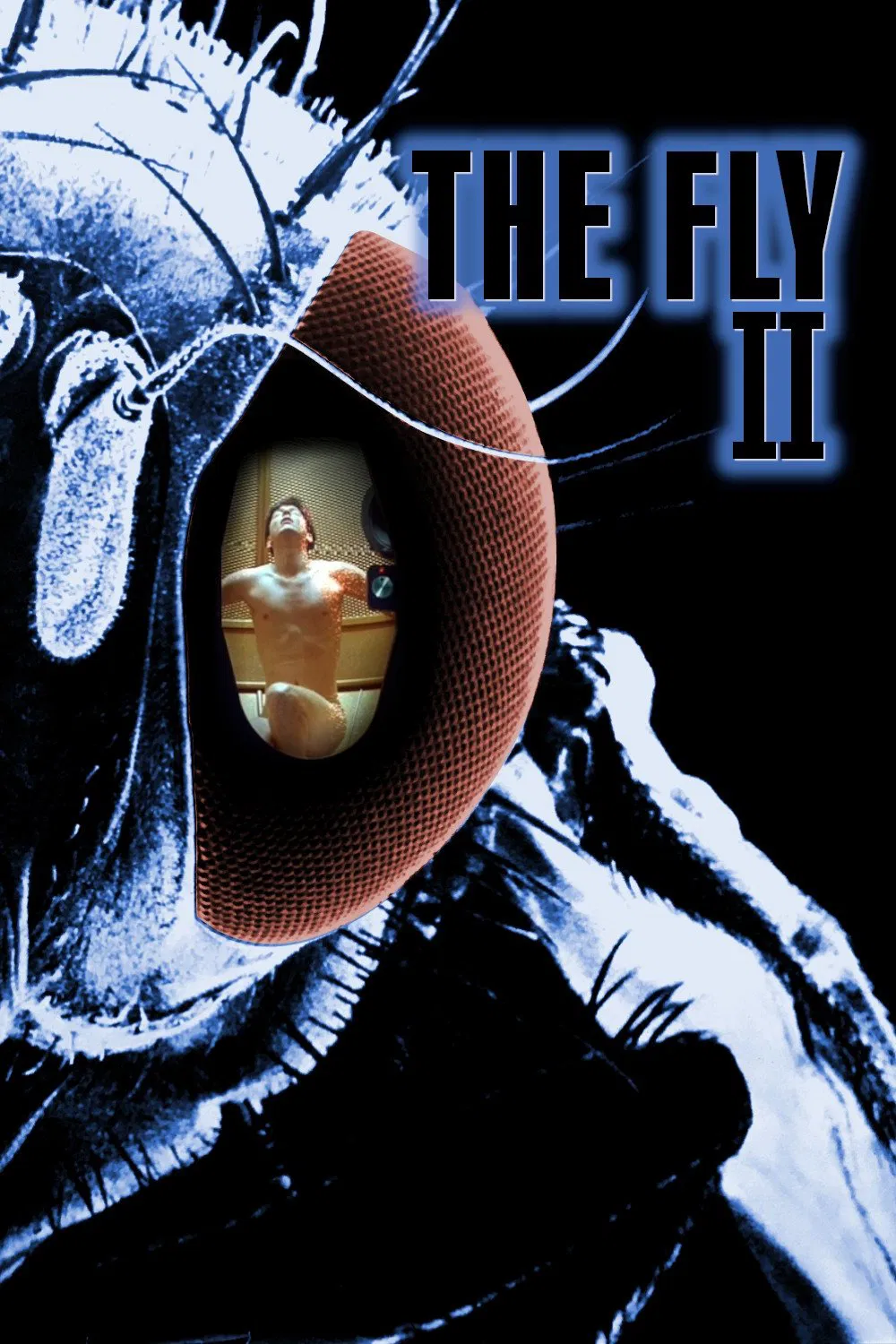
Well, according to the sequel, Veronica carries their baby to term and dies giving birth to their son, Martin, who hatches from a larval sac and grows from a newborn to an adult in just five short years. He then attempts to find a cure to avoid suffering his father's gruesome fate, all while being pursued by an evil corporation looking to profit from his impending mutation. While the sequel certainly delivers on the gore, grotesque transformation, and body horror, it lacks the punch and impact of the original.
Back to the Future, 1985
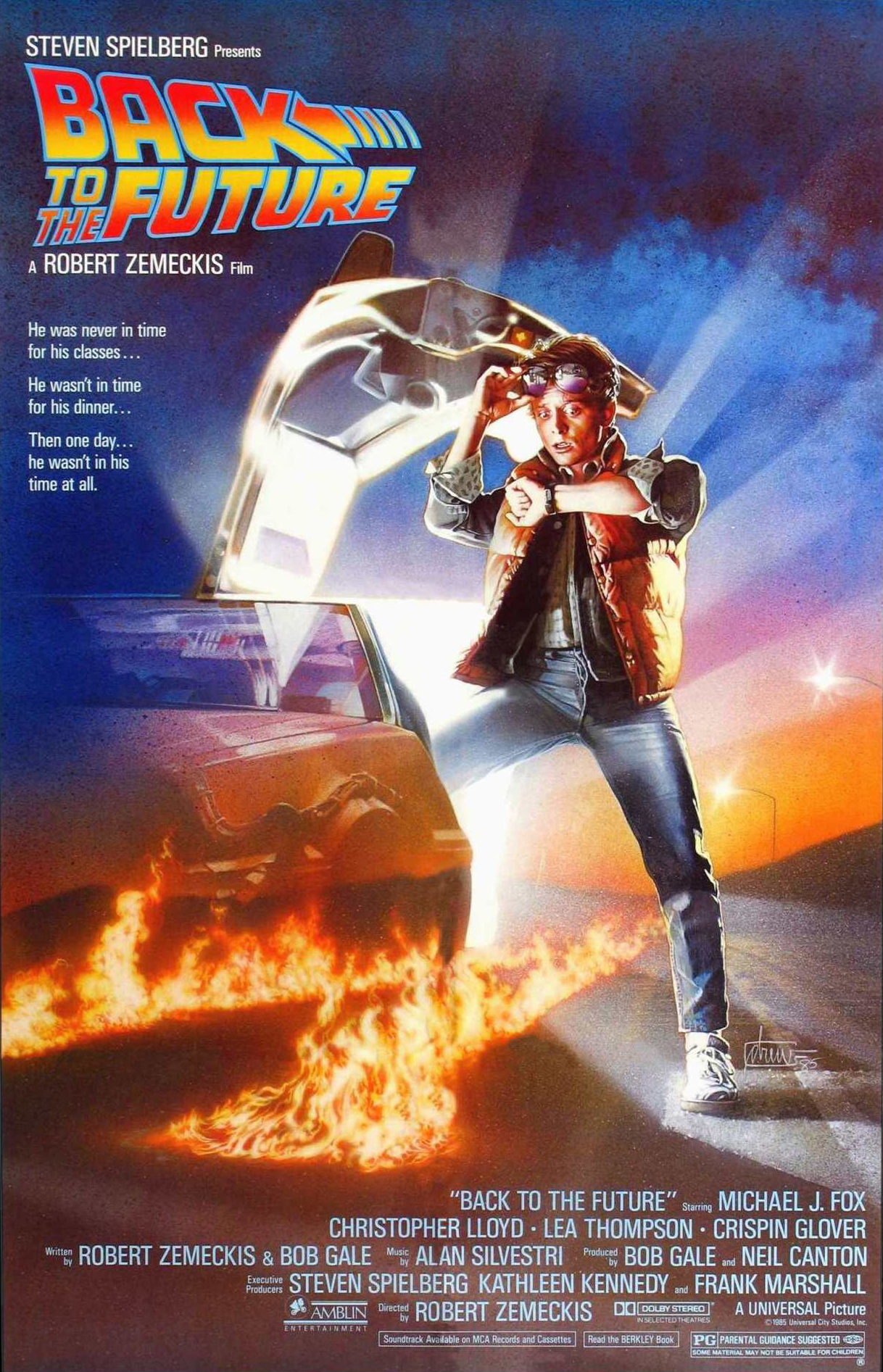
In Robert Zemeckis' Back to the Future, 1980s teenager, Marty McFly, witnesses the successful time travel experiment of his friend and mentor, Doc Brown, who constructs a time machine...from a DeLorean. Unfortunately, Marty then witnesses the murder of the eccentric scientist at the hands of vengeful terrorists. While attempting to escape with his own life, Marty inadvertently journeys back to the 1950s aboard the time travelling DeLorean. There, he accidentally botches his teenaged parents' first meeting, putting his very existence in jeopardy. As such, Marty must play matchmaker for his mother and father while also seeking out the assistance of the young Doc Brown, to (hopefully) find a way to go...back to the future. This fun sci-fi comedy explores the concept of meeting one's parents when they were in high school as well as how disorienting it would be to find oneself stuck three decades in the past. Given the technology-driven world of today, I imagine it would be far more disorienting for a teenager from 2025 to find themselves stranded in 1995 (no smartphones, streaming services, or social media), than it would be for a teenager from 1985 to be stuck in 1955.
Now, the sequels...
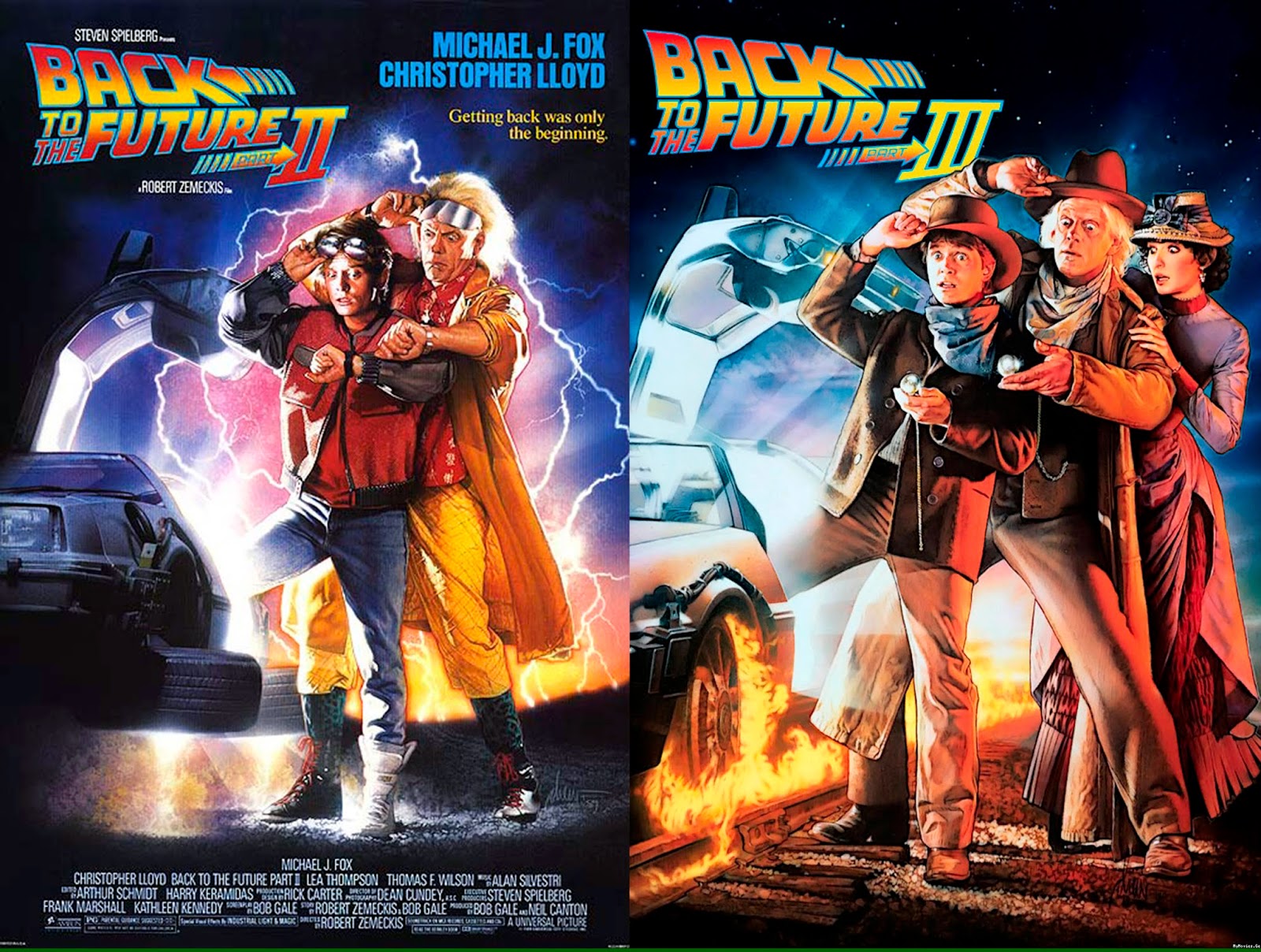
While the sequels are fun in their own right, especially the understandably inaccurate depiction of 2015, they tend to rehash many of the same plot points and gags from the original, such as the threat of negatively altering the course of history, Marty's aliases being based on "future" celebrities, or the villainous Biff Tannen's aversion to manure. For some reason, Marty now gets triggered whenever anybody calls him a "chicken", which was never an aspect of his personality in the first flick. While clearly intended for humour, it's highly unlikely that everybody in Hill Valley would be a spitting image of their ancestors and descendants. Doc comes across as a hypocrite this time around, lecturing Marty on the dangers of altering the future, before doing so himself...in pursuit of romance. Also, why would Doc refuse to warn Marty about his potential car accident when Marty warned him about the terrorists and then ventured into the 19th century to save his life, yet again? What kind of "friend" is the Doc Brown of the sequels, anyway?
Thanks for reading and be sure to stick around for even more unnecessary sequels and prequels! Do you have any thoughts on this post? If so, feel free to reach out by leaving a comment, dropping me a line, or signing my guestbook to share your opinions on this or any other topic. To receive the latest updates on my work or to directly interact with my content ("likes" or comments), follow me on Neocities. Also, feel free to press the "like" button if you enjoyed this post, as "likes" help me gauge audience interest in the content I post. After all, I don't want to bore anyone, ha-ha. Until next time, love, peace, and chicken grease!
Posted in "Nerd Alert" on Sunday, September 21st, 2025.